“Bean growing” search results (7000)

Basic knowledge of coffee growing
What is coffee? Coffee is the fruit of a Rubiaceae plant grown at altitudes of about 6,000 feet and distributed along narrow subtropical axes around the world; the coffee tree is green all year round and can grow up to 20 feet tall, usually controlled to 8 to 10 feet tall for easy harvesting.
2014-06-17 Coffee knowledge coffee growing coffee encyclopedia
Angola Coffee Bean Price Flavor Description Grind Treatment Growing Environment Introduction
In the 1970s, commercial coffee production in Angola was about 180,000 tons per year. Uige Province coffee cultivation area of 161,000 hectares, annual output of 99,550 tons, is the largest coffee cultivation
2016-10-15 Angola Coffee beans Price Flavor Description Grinding Processing Planting Environment Yield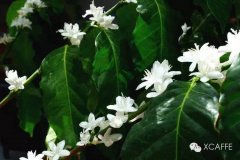
The current situation of coffee beans growing in Kenya is a famous boutique coffee bean region in Africa.
The Kenyan government takes the coffee industry very seriously, where it is illegal to cut down or destroy coffee trees. Kenyan coffee buyers are world-class high-quality coffee buyers, and no other country can grow, produce and sell coffee on a continuous basis like Kenya. All the coffee beans were first acquired by the Kenya Coffee Commission (CoffeeBoardofKenya, CBK).
2016-05-09 Status quo Kenya coffee beans cultivation Africa famous boutique region
Introduction of Coffee Bean growing area in Colombia
In the mountains southwest of Medellin in Antioquia, Colombia, there is a city called Hughton Boliwal, which has a unique greenhouse-like natural environment. It allows people here to inherit and share the traditional harvest of this environment for generations. Mountain。 The Farrows of Benado is a place where the best and highest quality coffee products can be grown, in this soil.
2016-06-15 Colombia coffee beans growing areas introduction Antioch Ogi Asia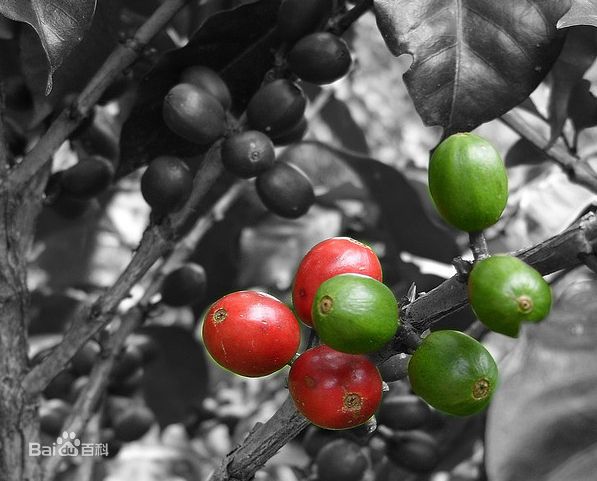
African Tanzanian coffee Kilimanjaro producing area pearl round bean PB Gillimaza African boutique coffee
Mount Kilimanjaro is in the northeast of Tanzania, the largest coffee producing area in Tanzania, which accounts for 75%. In general, coffee beans in Tanzania have extraordinary quality. The important producing areas are in the mountains near Kenya in the north, where coffee farmers account for 85% of the total, while local coffee farmers grow between 1300 and 2000m above sea level, with different coffee flavors.
2016-07-19 Africa Tanzania coffee beggar Mazar Romanian producing areas pearls beans
Rwanda Coffee Bean Flavor Taste Estate Introduction to Rwanda Coffee Bean Characteristics
Rwandan coffee, in its washed arabica bean form, is of absolute quality. As far as Africa is concerned, its coffee industry stands out because the country thrives mainly on producing the best possible coffee beans. Rwandan coffee is gaining increasing popularity on the international market. The mission of the Rwandan Coffee Association is to manage and supervise the Rwandan coffee industry from production to marketing.
2016-07-21 Rwanda Coffee beans Flavor Taste Manor Region Description Characteristics
Panama Coffee Growing Environment Baru Volcano Emerald Estate Rose Summer Coffee Bean
Panama is a small country located in the heart of the American continent. The waters of the Atlantic and Pacific oceans wash over its beaches. Panama is located at 9 degrees north latitude, at the confluence of the Central Mountain Range, where Mount Baru, one of the highest volcanoes in Central America, is located. Mount Baru has an altitude of more than 11,400 feet and the surrounding land is rich in nutrients and fertile.
2016-07-02 Panama Coffee Plantation Environment Baru Volcano Emerald Manor Rose Summer
The Life of two kinds of Coffee beans of Arabica Arabica and Robusta Robusta
Coffee beans in the world are mainly divided into two categories: small seed coffee bean Arabica (Arabica) and medium seed coffee bean Robusta (Robusta). Small seed coffee beans grow in a temperate climate of 600-2000 meters in Haiba, with rich and delicate taste, strong smell, high acidity and smooth texture, bringing strong aroma and smoothness to the coffee. Medium seed coffee bean is just like its English name Robusta.
2016-04-12 Arabica rabbi Robusta Robbs Booth two kinds coffee
Coffee classroom: the difference between Arabica and Robusta coffee beans
The world's coffee beans are mainly divided into two categories: small seed coffee bean Arabica Arabica and medium grain coffee bean Robusta Robsta. Small seed coffee beans grow in the temperate and tropical climate of Haiba 600-2000 meters, with rich and delicate taste, strong smell, high acidity and smooth texture, bringing strong aroma and smoothness to the coffee.
2015-03-05 Coffee lecture hall Arabica Robusta coffee beans difference all
Coffee Bean Selection Tips
As a professional barista, especially a top barista, do you think about these questions before buying coffee beans: Should you buy Rwandan coffee with stable flavor? Or buy mixed beans? Do you want to know where coffee beans grow? Will light roasted coffee beans help me get through the morning? Whether you like it or not, you will be affected when buying coffee.
2016-05-24 coffee beans pick tips as a professional coffee especially top buy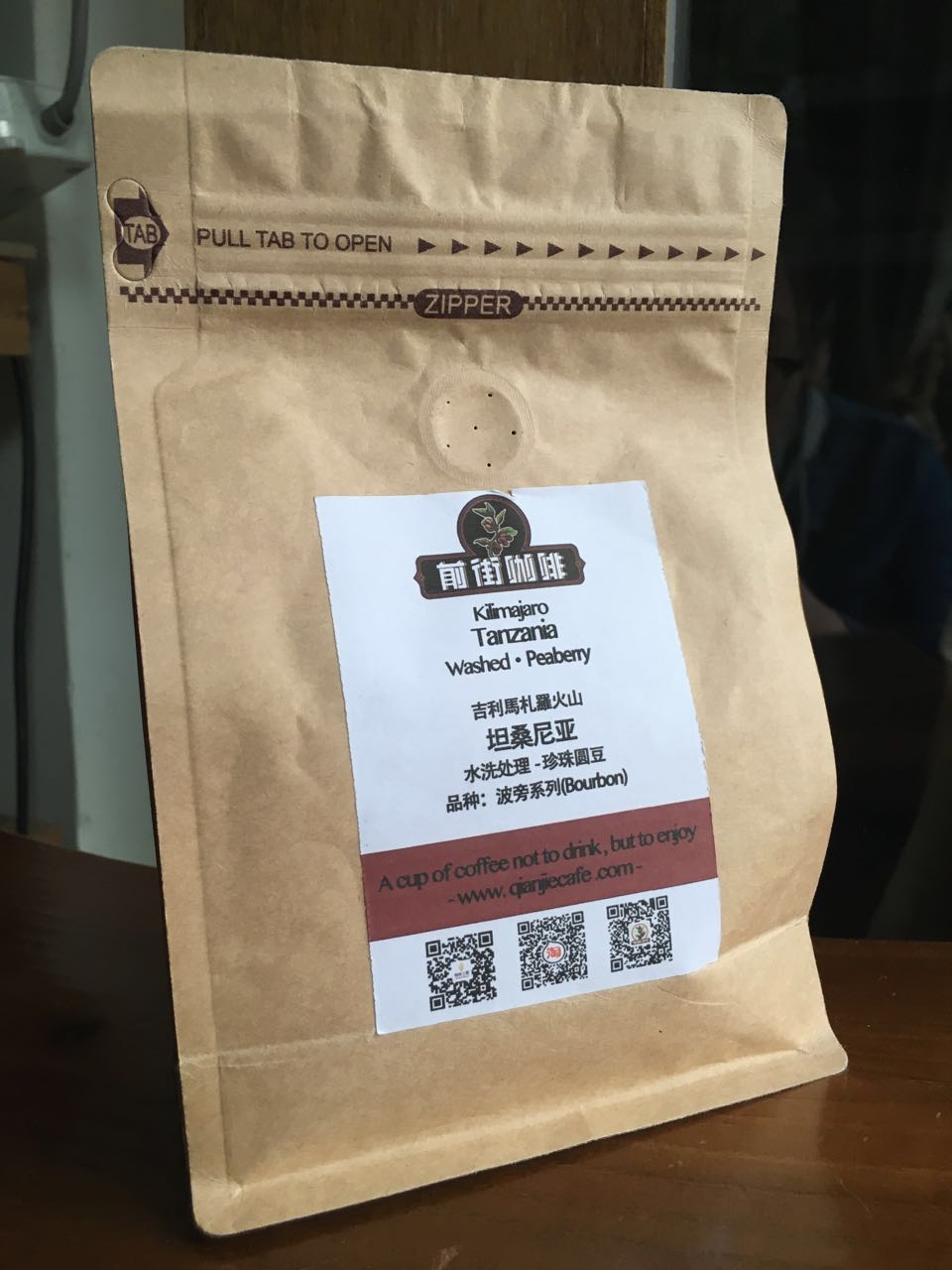
Description of Flavor characteristics of Costa Rican Coffee Bean producing area introduction to brewing method of Central American Coffee Bean
The particles are full, the acidity is ideal and the aroma is unique and strong. Tarrazu in Costa Rica is one of the major coffee producing areas in the world. The coffee produced is light and pure in flavor and pleasant in aroma. Costa Rica, with fertile volcanic soil and good drainage, is the first in Central America because of its commercial value.
2022-08-01 Boutique coffee Costa Rica flavor fruity caramel cream subtle spices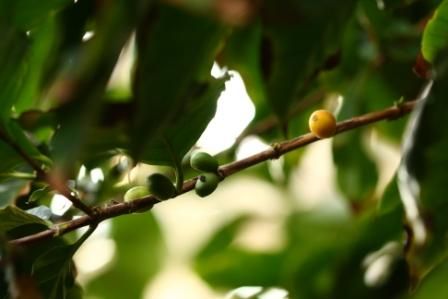
What conditions do you need to grow coffee trees? Introduction to the process from coffee tree planting to coffee bean harvest
Coffee is a perennial evergreen shrub or small tree of Rubiaceae. It is a horticultural perennial cash crop with the characteristics of fast growth, high yield, high value and wide market. The planting conditions of Coffee Coffee is a perennial evergreen shrub or small tree of Rubiaceae. It is a horticultural perennial cash crop with the characteristics of fast growth, high yield, high value and wide market. Wild
2015-12-10 Coffee planting needs what conditions coffee beans harvest process introduction
Introduction to the characteristics of Burundian Coffee Bean Flavor Manor growing Bourbon
Burundian coffee bears a striking resemblance to neighboring Rwanda, where coffee from the two countries is often confused. Burundian coffee is mainly grown in bourbon, with traditional wet processing of coffee cherries. Its boutique coffee is characterized by elegant sweetness and bright citrus aromas. This batch belongs to bourbon species micro batch. [Bulundi Champion processing Factory] is located in the card.
2016-08-04 Planting bourbon main Burundi coffee beans flavor taste manor producing area special
Boutique coffee bean producing countries introduce Philippine coffee
Coffee was introduced into the Philippines (Philippines) in the early 19th century and by 1880 the country had become the fourth largest coffee exporter in the world. However, due to the spread of coffee rust, the country became a coffee importer soon after 1880. However, the coffee growing industry has gradually recovered. Coffee production in the Philippines: the Philippines is one of the few countries that can grow four varieties of coffee.
2015-05-14 Boutique coffee beans country of origin introduction Philippines coffee
Introduction to the Fine Coffee Bean Manor in Rwanda Coffee Flavor and taste area
Since the 1920s, Arabica coffee grown in Rwanda has been famous for its unique fruit sweetness and rich grass aroma. In recent years, the Rwandan government has taken positive measures to vigorously promote coffee production, set up coffee production cooperatives in various places, and give technical guidance and financial support to farmers, so that coffee production has made considerable progress. University of Rwanda
2016-09-07 Rwanda coffee flavor taste producing area characteristics boutique coffee beans manor introduction
Introduction to Rwanda Coffee Bean Production Area
Rwanda has approximately 33,000 hectares of coffee plantations and 500,000 people engaged in coffee farming. With its high altitude and fertile volcanic soil, the country's fertile soil and climate are conducive to plant growth, and coffee trees seem to be driven or forced to grow upwards, or to grow too fast to produce the best coffee beans. The beautiful land of thousand hills, Louvain
2016-06-02 Rwanda coffee beans producing area introduction about 33 000 ha coffee
Introduction to the Fine Coffee Bean Flavor and Taste Manor in Ethiopia
Ethiopian coffee beans grow in close to the natural environment, after years of planting under the same growth conditions, Ethiopian coffee beans have gradually adapted to the environment here. More than 60% of coffee beans are grown in forests or semi-forests. Large-scale coffee-growing villages account for about 35% of the country's total coffee production. Many of these are used.
2016-07-14 Ethiopia boutique coffee beans flavor taste manor producing area introduction
General knowledge about coffee beans, cooked beans and growing beans.
Food has a shelf life, and coffee beans usually have a shelf life of one year, but for those who pursue high-quality coffee, it is obviously not enough to keep it. How long is the life cycle of coffee bean flavor? Is the coffee bean as fresh as possible? Friends who like red wine all know that good red wine needs to be opened an hour in advance to oxidize the red wine, which will be more beneficial.
2015-04-17 About coffee beans cooked beans beans common sense food all have shelf life coffee beans
Ethiopian Coffee Bean Flavor Manor introduces Ethiopian Coffee Brands
Ethiopian coffee beans grow in close to the natural environment, after years of planting under the same growth conditions, Ethiopian coffee beans have gradually adapted to the environment here. More than 60% of coffee beans are grown in forests or semi-forests. Large-scale coffee-growing villages account for about 35% of the country's total coffee production. Many of these are used.
2016-07-16 Ethiopia coffee beans flavor taste manor producing area introduction coffee brand
The Origin of Rwandan Coffee Bean Culture
There are about 33000 hectares of coffee plantations in Rwanda, with 500000 people engaged in the coffee industry. With the good natural conditions of high altitude and fertile volcanic soil, the country's fertile soil and suitable climate contribute to plant growth, and coffee trees seem to be driven or forced to grow upward, or because they grow too fast to produce the best coffee beans. Luwang, the beautiful land of a thousand hills
2016-06-03 Rwanda coffee beans culture origin about 33000 hectares coffee